Prime Highlights:
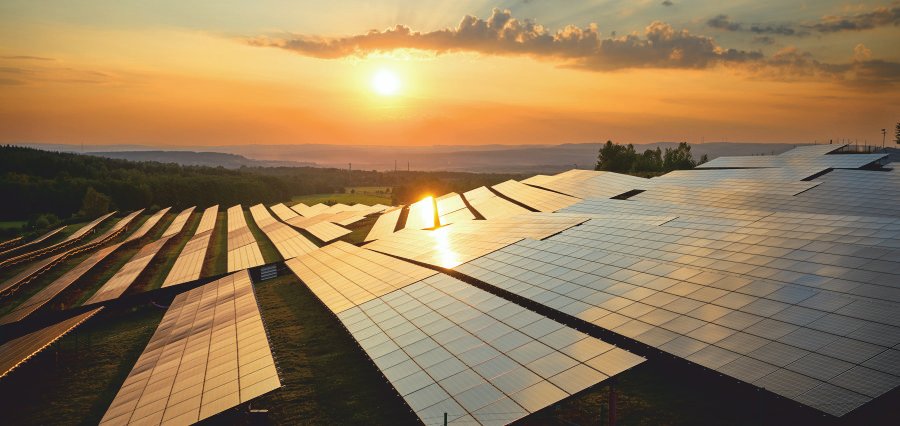
- Solar energy in South Africa has grown rapidly, now making up about 10% of the country’s electricity, with businesses and households investing in rooftop panels and batteries.
- Companies are seeing fast returns on solar installations, reducing electricity bills and avoiding disruptions from power cuts.
Key Facts:
- Much of South Africa’s solar growth comes from private installations across factories, shopping centers, wineries, mines, and medical practices.
- Falling prices of solar panels and batteries, largely driven by Chinese manufacturing, have made clean energy more affordable and accessible.
Background:
Affordable solar energy is quickly changing how South Africans get electricity for their homes and businesses. Falling prices for solar panels and batteries, mostly from China, have made solar power accessible to people and companies that used to face frequent blackouts.
In the past few years, power cuts disrupted everything from hospitals to factories. Small businesses, professionals, and large companies often had to use expensive diesel generators or stop working altogether. Solar power has emerged as a practical solution, offering stability and long-term savings.
South Africa has seen an extraordinary rise in solar adoption. Solar power has grown quickly in South Africa. From almost nothing in 2019, it now provides about 10 percent of the country’s electricity. Much of this growth comes from private installations, with factories, shops, wineries, mines, and clinics adding rooftop panels and batteries.
The benefits for businesses have been clear. Many recover the cost of installing solar within a few years and then pay much lower electricity bills. Hotels and factories also run more smoothly because solar reduces disruptions from power cuts. Even though national blackouts have eased, companies continue investing in solar to secure their energy for the future.
The switch to solar power has caused problems for Eskom, South Africa’s state-owned electricity company. As more homes and businesses make their own electricity, Eskom earns less. It has been forced to cope and now allows individuals to sell additional power back to the grid, and a set fee to remain connected.
The number of low-income households that cannot afford solar panels or loans and use the national grid remains high. According to experts, solar has enhanced electricity reliability; however, more powerful policies are required to generate local employment and economic benefits. Nevertheless, to thousands of South Africans, inexpensive solar power has given them what they could not have had long; a consistent power supply and a feeling of calmness.